Your luxury vehicle’s suspension isn’t just fighting the road; it’s fighting the relentless Dubai heat and abrasive desert sand. These harsh environmental factors significantly accelerate wear, often leading to common car suspension problems that compromise your safety during high-speed commutes. You’ve likely noticed the change gradually. Perhaps it’s a subtle pull to one side or a jarring thud when you hit a speed bump that used to feel like a cloud.
It’s stressful when your high-end ride starts feeling like an old truck, and the fear of massive dealership quotes only adds to the pressure. You shouldn’t have to choose between safety and your savings. In this guide, you’ll learn how to accurately diagnose suspension failure symptoms and discover the most efficient ways to restore that signature “factory-feel” handling before minor issues turn into major damage.
We’ll also cover how the 2026 RTA inspection regulations and AI-powered road cameras make timely repairs more critical than ever for staying road-legal in the UAE. From leaking shock absorbers to failing air springs, we provide the clear answers you need to make informed decisions about your vehicle’s maintenance and repair timeline.
Key Takeaways
- Learn to identify critical red flags like “nose-diving” during braking or “squatting” during acceleration to prevent total component failure.
- Understand why shock absorbers and rubber bushings are the most common car suspension problems in high-performance vehicles.
- Discover how Dubai’s extreme 50°C+ heat and abrasive desert sand accelerate the degradation of luxury air suspension systems.
- Gain insights into the specialized diagnostic tools required to restore the factory-feel precision handling of Audi, BMW, and Range Rover models.
- Stay ahead of 2026 RTA inspection requirements by recognizing early warning signs before they lead to failed registrations or costly dealership repairs.
Identifying Symptoms: How to Tell Your Suspension is Failing
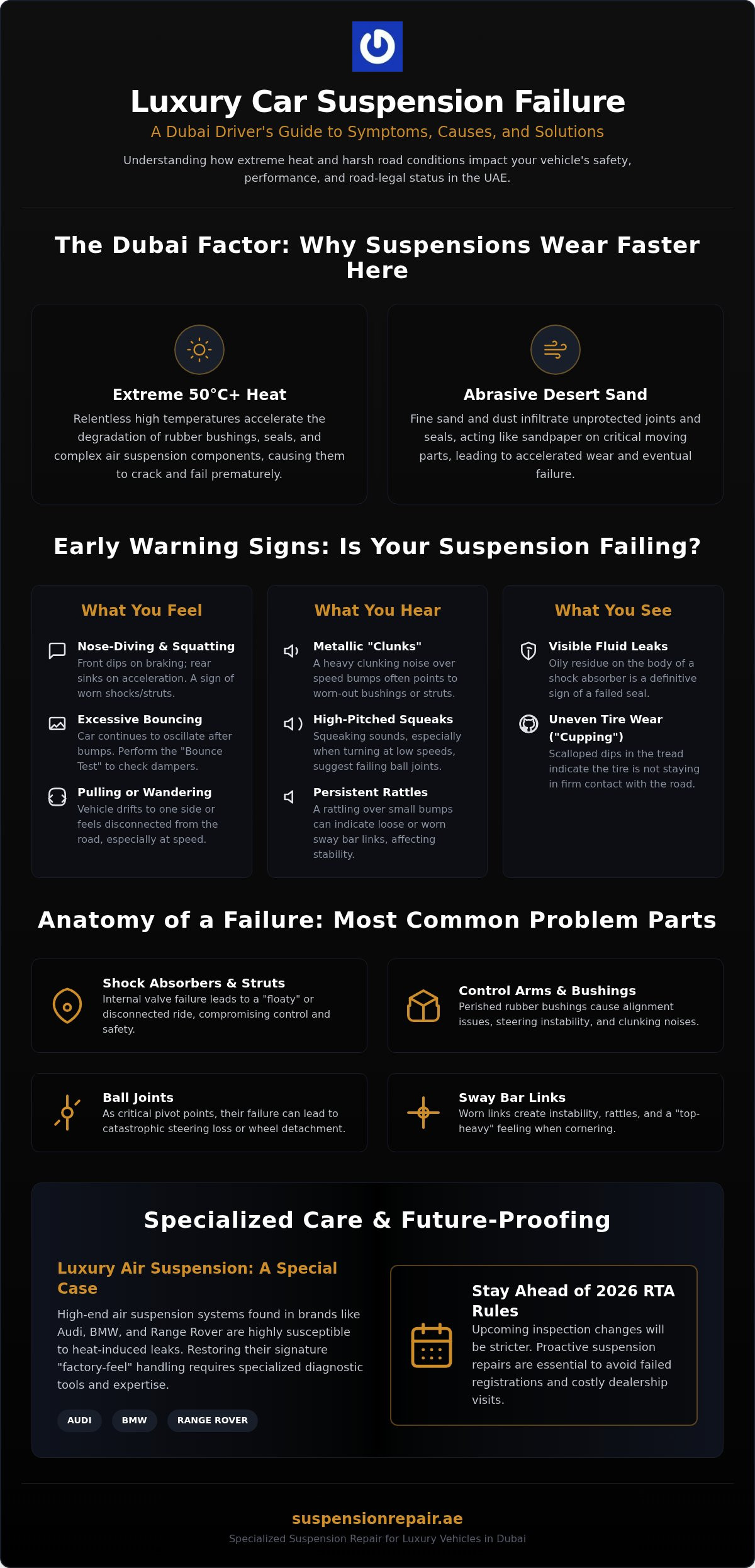
Your luxury vehicle is engineered to provide a seamless balance between comfort and control. When that balance shifts, it’s often due to common car suspension problems that manifest in very specific ways. You don’t need to be a master mechanic to spot the early warning signs of failure. Start by observing how your car reacts to basic movements. If the front end dips significantly when you apply the brakes, you’re experiencing a “nose dive.” Conversely, if the rear end sinks during acceleration, that’s a “squat.” Both symptoms indicate that your shock absorbers or struts are no longer capable of managing the vehicle’s weight transfer.
You can perform a simple “Bounce Test” at home to confirm your suspicions. Walk to each corner of the car and push down firmly on the body. A healthy suspension will settle almost instantly. If the car continues to bounce two or more times, your dampers are likely worn out and require professional attention. While you’re there, look behind the wheels for visual confirmation. Any visible oil or fluid leaking down the body of the shock absorber is a definitive sign of seal failure. Additionally, check your tyres for “cupping” or uneven wear patterns. These bald spots suggest the tyre isn’t staying firmly planted on the road, which is a classic symptom of strut failure.
Unusual Noises: Clunks, Squeaks, and Rattles
Does your car protest when you navigate a speed bump? A heavy, metallic “clunk” usually points toward perished bushings or a bottoming-out strut. If you hear high-pitched squeaking while turning the steering wheel at low speeds, your ball joints or strut tower mounts are likely failing. Don’t ignore a persistent rattling sound over small road imperfections. This often signals loose or worn sway bar links, which are critical for maintaining stability during cornering. These noises are your car’s way of signaling mechanical fatigue before a total component failure occurs.
Handling and Steering Instability
Precision handling is the hallmark of a high-end vehicle. If you feel your car pulling to one side while driving on a flat road, the culprit might be more than just a bad alignment. Worn control arm bushings or a collapsed spring can drastically alter your steering geometry. You might also experience a “wandering” or “drifting” sensation at highway speeds, making the car feel disconnected from the road. Increased vibration in the steering column or a sudden increase in steering effort are further indicators that your suspension’s structural integrity is compromised.
The Most Common Car Suspension Problems Explained
Suspension failure occurs when your car’s network of dampers, springs, and bushings loses its ability to manage kinetic energy. This isn’t just about comfort. It’s about keeping your tyres in contact with the road. When components fail, your car’s safety systems like ABS and traction control cannot function correctly. Understanding these common car suspension problems is the first step toward maintaining your vehicle’s performance and safety—a principle of quality care shared by independent facilities like Speedy Roo Motorsports & Repair Inc that specialize in Japanese vehicle brands. While many components work in harmony, a few critical parts are responsible for the majority of handling issues.
- Ball Joints: These act as the critical pivot points connecting steering knuckles to control arms. If they fail, the wheel can actually detach from the vehicle.
- Sway Bars and Links: These parts are designed to reduce body roll. When links wear out, the car feels unstable and “top-heavy” during cornering.
- Coil Springs: These support the entire weight of your vehicle. A snapped or sagging spring will cause the car to sit unevenly and bottom out on small bumps.
Worn Shock Absorbers and Struts
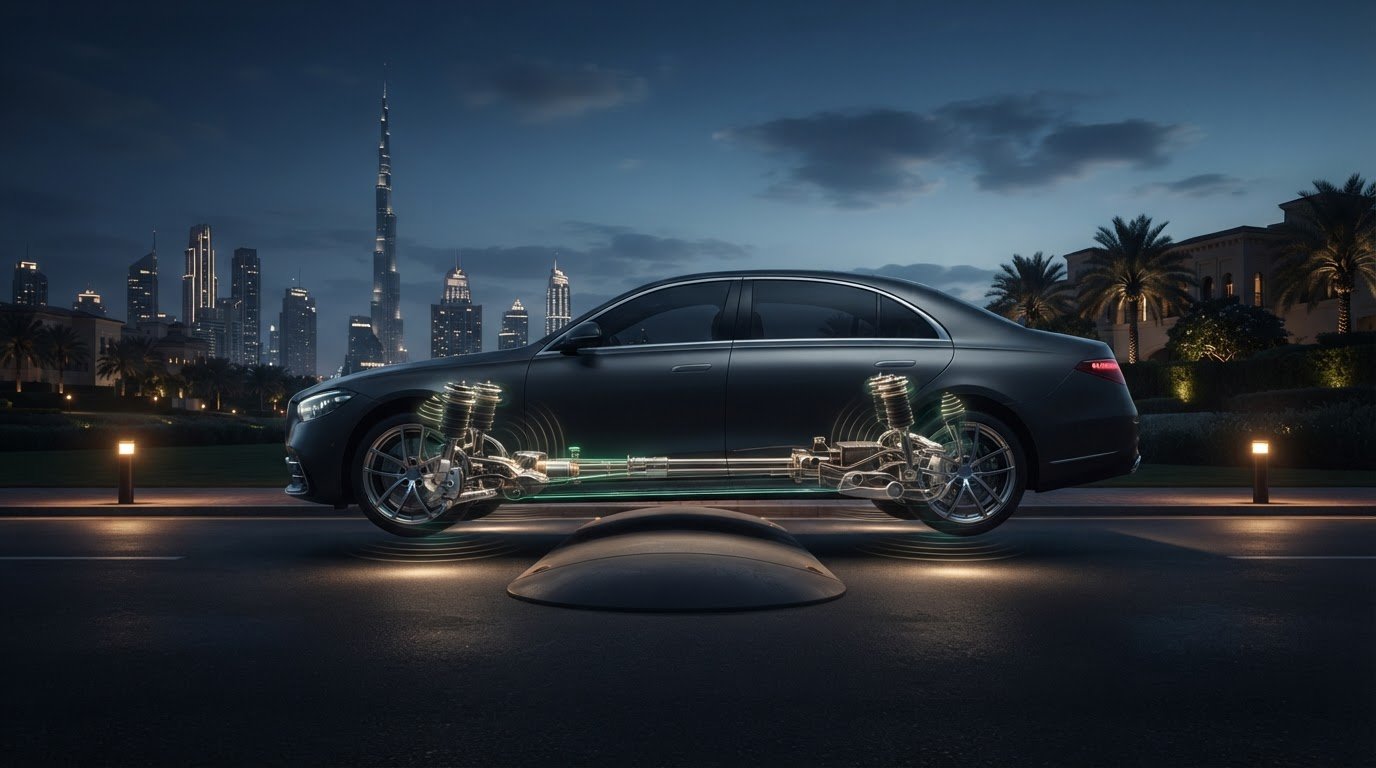
Shock absorbers are the primary cause of ride quality degradation. Most modern luxury vehicles utilize gas-charged dampers, which provide a more responsive feel than older hydraulic units. However, internal valve failure is a frequent issue. When these precision valves wear out, the oil flows too freely, resulting in a “floaty” or disconnected ride. You might feel the car continue to oscillate long after hitting a bump. Restoring that factory-level precision often requires specialized shock absorber repair Dubai services to ensure the damping rates are perfectly calibrated to your specific model.
Damaged Control Arms and Bushings
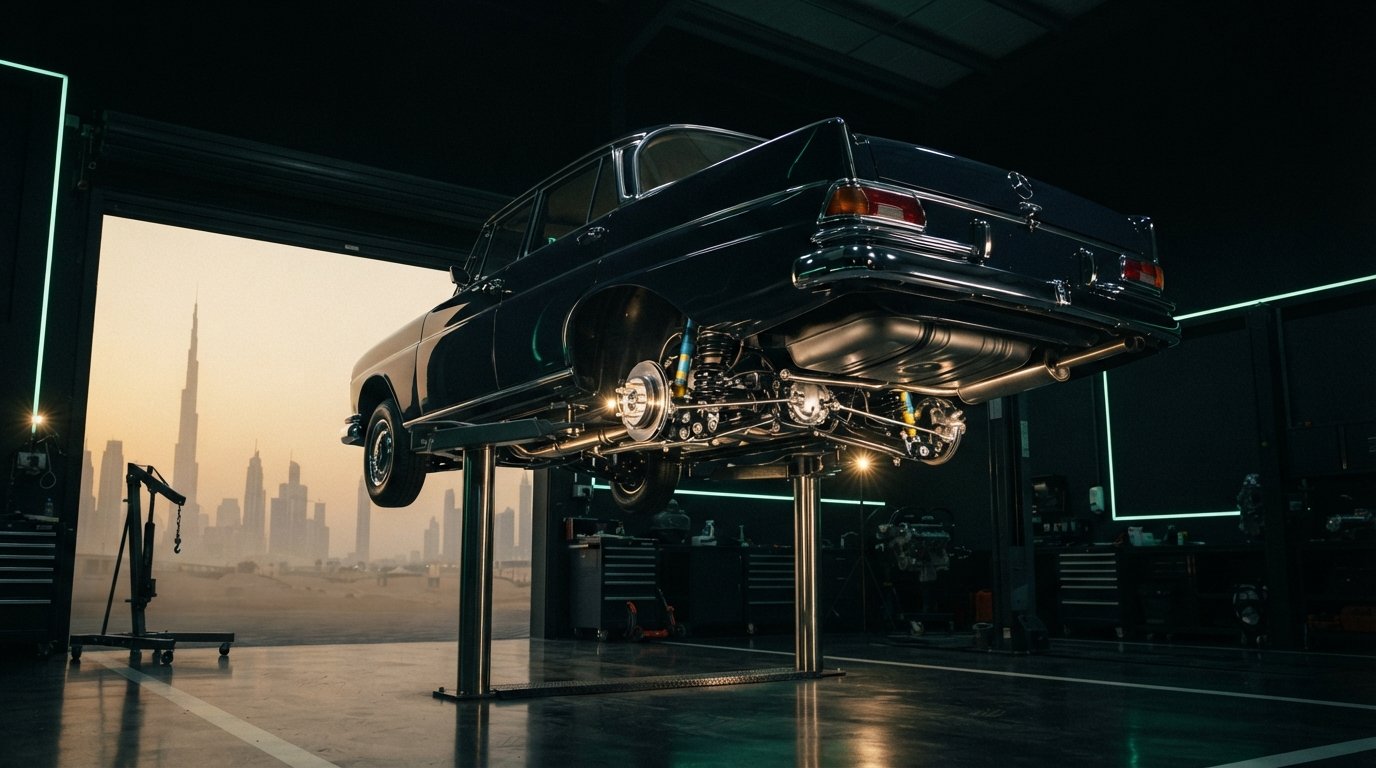
Control arms serve as the structural links between your wheels and the chassis. They rely on rubber bushings to dampen road vibrations and allow for controlled movement. In the UAE, the intense heat causes this rubber to crack and perish much faster than in cooler climates. This degradation leads to “sloppy” handling and erratic wheel alignment. German vehicles, in particular, are sensitive to lower control arm failure, which often manifests as a steering wheel shudder. Replacing these bushings early prevents expensive metal-on-metal damage to the control arm itself. If you’ve noticed your steering feels less sharp than usual, it’s wise to consult a specialist for a thorough inspection.
Luxury Car Focus: Air Suspension Leaks and Failures
Have you walked out to your driveway only to find your luxury SUV leaning heavily to one side? This “squatting” behavior is one of the most distinctive and common car suspension problems found in high-end vehicles equipped with air systems. Unlike the traditional coil springs found in standard cars, air suspension relies on flexible rubber bellows inflated by an onboard compressor. Over time, these rubber bags develop micro-cracks. In Dubai’s climate, where temperature fluctuations are extreme, this rubber perishes much faster than manufacturers anticipate. When a leak occurs, the system loses pressure while parked, causing the vehicle to sink toward the ground.
The real danger lies in the chain reaction that follows a minor leak. Your car’s air compressor is designed for intermittent use, only activating to level the car when weight changes. When a leak is present, the compressor works overtime to maintain the required ride height. This constant operation leads to internal overheating and eventual burnout. If you see a “Suspension Fault” or “Chassis System Failure” message on your dashboard, the system is already struggling to cope. Ignoring these warnings can turn a simple air bag replacement into a far more expensive compressor and valve block overhaul.
Compressor Failure vs. Air Bag Leaks
Distinguishing between a leaking air strut and a failing valve block requires technical precision. A leaking bag usually causes one specific corner of an Audi, BMW, or Range Rover to drop overnight. A faulty valve block might cause the entire front or rear axle to sag simultaneously. Pay close attention to the sound of your car after start-up. A loud, vibrating, or “ticking” sound from the compressor is a clear sign it’s on its last legs. For owners of German machinery, seeking specialized Audi suspension repair Dubai ensures that these complex pneumatic components are tested individually using digital pressure gauges rather than just replacing parts by guesswork.
Active Dampers and Magnetic Ride Control
Performance brands like Porsche or Ferrari often utilize active damping or magnetic ride control. These systems use electronic sensors to adjust the viscosity of the shock fluid in milliseconds based on road conditions. If a sensor fails or the internal wiring becomes brittle, the car may default to its firmest “fail-safe” setting, resulting in a punishingly stiff ride. You might notice the “Sport” mode icon flashing or a total loss of ride-height adjustment. Because these systems are fully integrated into the car’s central computer, specialized diagnostics are mandatory to pinpoint whether the issue is a mechanical fluid leak or an electronic sensor malfunction.
The Dubai Factor: Why Local Roads and Heat Accelerate Wear
International automotive guides often focus on rust caused by road salt in cold climates. In the UAE, this is almost entirely irrelevant. Instead, Dubai drivers face a unique set of common car suspension problems driven by extreme thermal stress and abrasive environmental conditions. Our summer temperatures regularly exceed 50°C, creating a punishing environment for the precision-engineered components of a luxury vehicle. When you add the constant vertical impact from frequent speed bumps and the demand for high-speed stability on the E11, it’s clear why local maintenance schedules must be more rigorous than those in Europe or North America.
Traffic calming measures in Dubai are effective but demanding. Crossing speed bumps daily puts immense pressure on your coil springs and top mounts. Over time, this repetitive high-impact stress can lead to sagging or even structural cracks in the strut towers. On the opposite end of the spectrum, high-speed highway driving requires a suspension system that is perfectly balanced. Even a minor misalignment caused by a worn-out component becomes magnified at 120 km/h, leading to steering wheel vibrations that fatigue the driver and accelerate tyre wear.
Heat-Induced Rubber Degradation
Why do suspension bushings in Dubai often fail 30% faster than in cooler climates? The answer lies in the molecular structure of rubber. Constant exposure to intense heat causes these components to lose their essential oils and elasticity. This process, known as dry rot, results in brittle rubber that eventually cracks or disintegrates under load. Once a bushing perishes, it can no longer dampen vibrations, leading to the metallic clunks and sloppy handling discussed in previous sections. Using high-temperature resistant replacement parts is the only way to ensure your repair lasts more than a single summer season.
Sand and Abrasive Wear
Sand is more than just a nuisance; it acts as a powerful abrasive on moving mechanical parts. Fine desert dust eventually bypasses protective rubber boots and settles on shock absorber shafts. As the suspension moves up and down, these particles score the polished hydraulic cylinders, creating micro-grooves that allow fluid to leak out. Regular suspension inspection Dubai is vital for identifying these scored shafts before they lead to a total loss of damping pressure. For 4×4 owners, a simple habit of pressure-washing the undercarriage after a desert drive can significantly extend the life of your seals. If you suspect your vehicle’s handling has been compromised by the harsh local environment, schedule a comprehensive check-up to protect your investment.
Professional Diagnostics: Restoring Your Luxury Ride Quality
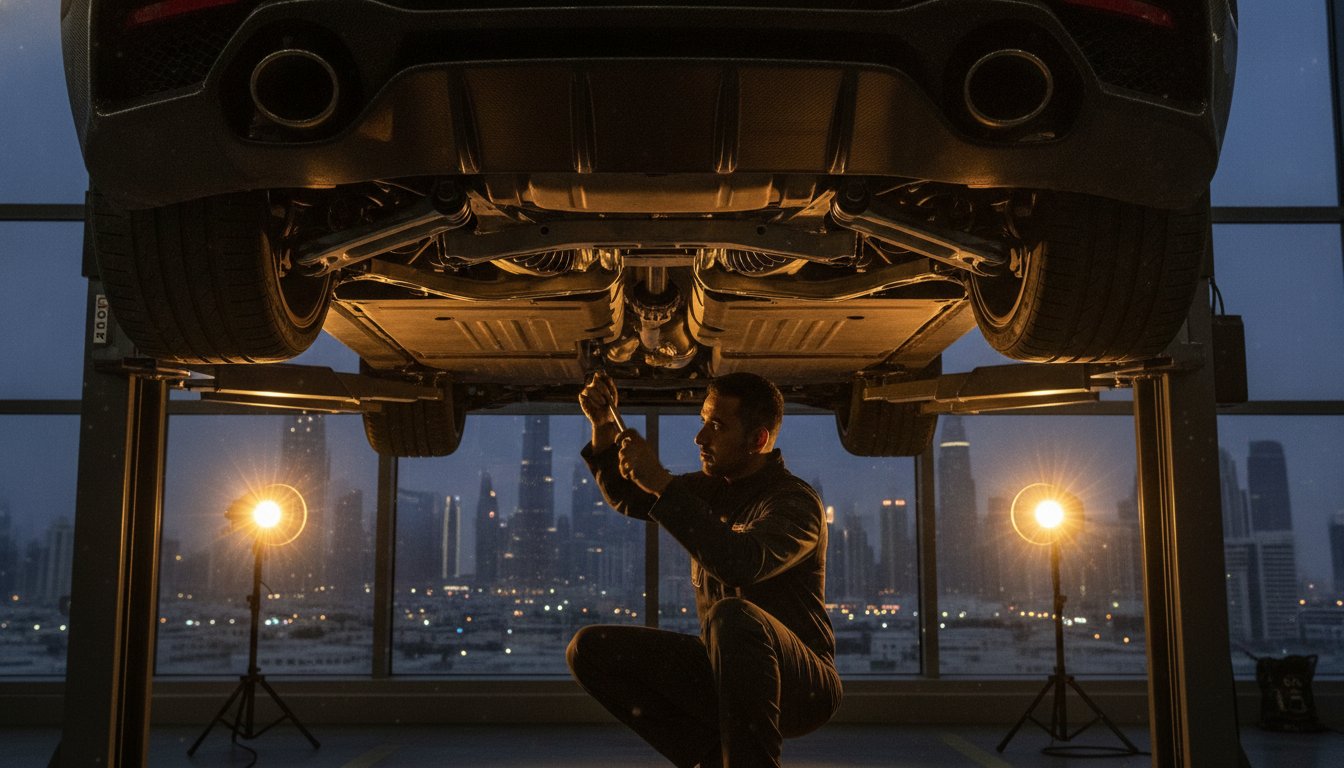
Restoring the precision of a high-performance vehicle requires more than a visual check. Professional diagnostics follow a methodical path that leaves nothing to chance. It starts with an electronic system scan to identify hidden fault codes in the chassis control module. Then, we move to a physical stress test using specialized equipment that simulates real-world road loads. Why is this necessary? Because many common car suspension problems remain invisible to the naked eye until they cause a total failure.
A German car suspension specialist Dubai uses brand-specific software to calibrate air springs and electronic dampers. General tools simply can’t communicate with the complex ECUs found in modern BMW, Mercedes, or Porsche models. Choosing a specialist over a dealership often results in significant savings. You get the same level of expertise and OEM-quality parts without the inflated overhead of a showroom. This approach ensures your car’s sophisticated safety systems, like electronic stability control, continue to function as the manufacturer intended.
Before you visit the workshop, prepare a short list of observations for your mechanic. Note exactly when the symptoms occur. Does the car pull at a specific speed? Do you hear the clunk only when turning left or specifically when navigating speed bumps? Providing these details helps your mechanic pinpoint the issue faster. This transparency reduces labor time and ensures a more accurate initial quote. Remember, proactive repair is the best way to avoid a total system collapse and save thousands in long-term maintenance costs.
Why General Garages Miss Suspension Nuances
General garages often treat luxury vehicles like standard commuters. This is a massive mistake. Misdiagnosing a leaking air bag as a simple sensor error is a frequent error that leads to repeated workshop visits and wasted money. Additionally, ‘universal’ parts are a common pitfall. These components lack the specific damping rates required to restore your car’s original handling and safety profile. A workshop that specializes exclusively in suspension understands these nuances. We focus on the engineering behind the ride, not just the mechanical assembly.
Expert Solutions at Suspension Repair Dubai
Secure Your Driving Precision for the Road Ahead
Maintaining the factory-feel handling of your luxury vehicle shouldn’t be a source of stress. You now know how to identify the symptoms of common car suspension problems, from the subtle “nose dive” during braking to the overnight sagging of complex air systems. In Dubai’s harsh climate, waiting for a total failure isn’t just expensive; it’s a safety risk during high-speed highway driving. Proactive maintenance is the only way to ensure your performance car remains safe and responsive.
As Dubai’s only dedicated suspension workshop, we provide the technical precision that general garages simply cannot match. Whether you drive a performance Audi, BMW, or Porsche, or require specialist care for exotic brands like Ferrari and Rolls Royce, our expert diagnosis ensures your car returns to the road with its original agility. Don’t let a worn bushing or a leaking strut compromise your driving experience. Our specialists focus exclusively on suspension systems to provide a level of expertise that dealerships often charge double for.
Take the first step toward restoring your ride quality today. Book Your Luxury Suspension Diagnostic in Dubai and enjoy the peace of mind that comes with expert, transparent service. Your car deserves precision, and you deserve a stress-free resolution.
Frequently Asked Questions
Is it safe to drive with common car suspension problems?
It’s not safe to drive with unresolved suspension issues. Your suspension is responsible for keeping all four tyres in contact with the road. When components fail, your car’s ability to brake effectively and steer accurately is compromised. This becomes especially dangerous during high-speed driving on Dubai highways. Ignoring common car suspension problems increases the risk of a total component failure, which could lead to a loss of vehicle control.
How much does suspension repair cost in Dubai for luxury cars?
The cost of suspension repair varies based on your vehicle’s make and the specific components involved. Luxury cars with complex air systems or electronic dampers generally require a higher investment than standard hydraulic setups. Factors such as the extent of the damage and the choice between OEM or high-quality aftermarket parts will influence the final quote. We recommend a professional diagnostic to receive an accurate, transparent estimate for your car’s specific needs.
How do I know if my shock absorbers are worn out or just old?
Age is a factor, but performance is the definitive indicator of wear. If your car feels “floaty” or continues to bounce after hitting a bump, the internal valves are likely failing. You should also check the shock body for oil leaks. In Dubai’s heat, rubber seals perish quickly. Even if your car has low mileage, the environmental conditions can cause shock absorbers to lose their effectiveness within a few years.
Can a leaking air suspension be repaired or must it be replaced?
Whether an air suspension can be repaired depends on where the failure occurred. If the rubber air bag itself has perished or cracked, it must be replaced to ensure system integrity. However, if the leak is located in the airline fittings or the valve block, a repair might be possible. We specialize in component-level diagnostics to determine if a full replacement is necessary or if a more targeted repair can restore your ride height.
What causes my car to pull to one side while driving in Dubai?
While poor wheel alignment is a common culprit, worn suspension components often cause the car to pull to one side. Perished control arm bushings or a failing ball joint can shift your steering geometry. Dubai’s frequent speed bumps and occasional curb impacts can also bend structural components. If an alignment doesn’t fix the issue, a specialist should inspect your suspension for mechanical wear or structural damage that is affecting your tracking.
How long does a typical shock absorber replacement take?
A typical shock absorber replacement usually takes between three to five hours per axle. The exact timeline depends on your vehicle’s complexity and whether the car uses a standard strut assembly or a complex air suspension system. Performance vehicles often require additional time for electronic calibration after the mechanical installation. We aim for an efficient turnaround to get you back on the road safely without compromising on the precision of the fitment.
Why does my car squeak when I go over speed bumps?
Squeaking sounds are typically caused by friction between moving parts. This happens when rubber bushings become dry, cracked, or perished due to Dubai’s extreme heat. As the suspension compresses over a speed bump, the metal components rub against the worn rubber, creating a high-pitched noise. It can also indicate that your ball joints or sway bar links require lubrication or replacement. Addressing these squeaks early prevents more expensive metal-on-metal damage later.
Will bad suspension affect my car’s braking distance?
Yes, a failing suspension can significantly increase your braking distance. Worn shocks and struts allow the car’s weight to shift forward too aggressively during braking. This “nose-diving” prevents the braking system from working at maximum efficiency. Addressing common car suspension problems is vital for safety, as even a small increase in stopping distance can be the difference between a safe stop and a serious collision on busy Dubai roads.