Suspension is a crucial part of your vehicle, ensuring a smooth ride, driver control, and protection from road shocks. How long car suspensions last depends on driving habits, road conditions, weather, and maintenance.
From my experience driving in both city and off-road conditions, cars navigating Dubai’s potholes often need attention sooner. Professional suspension repair services in Dubai can provide timely expertise to prevent minor issues from becoming major problems.
This guide will give an overview of the life of a car suspension, as well as the indicators of wear and the tips that may prolong its life based on automotive knowledge and road experience.
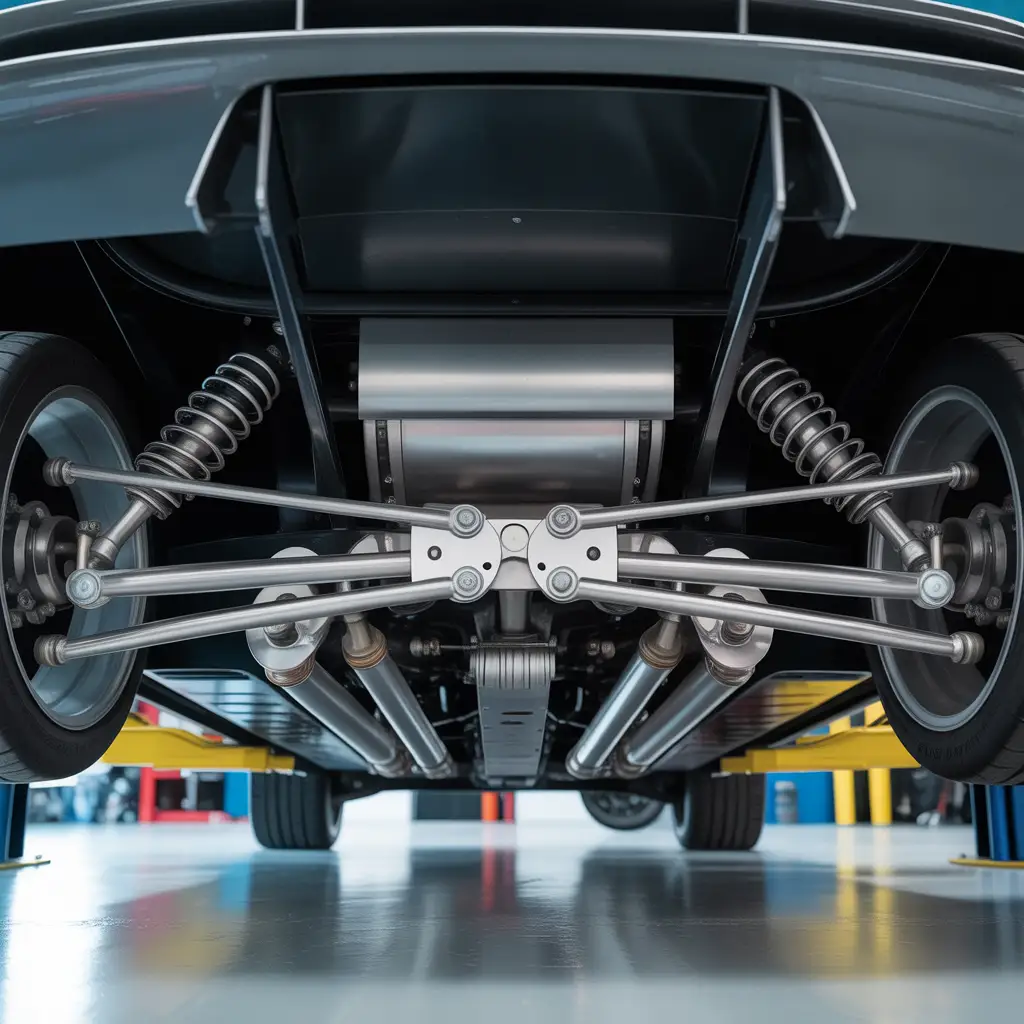
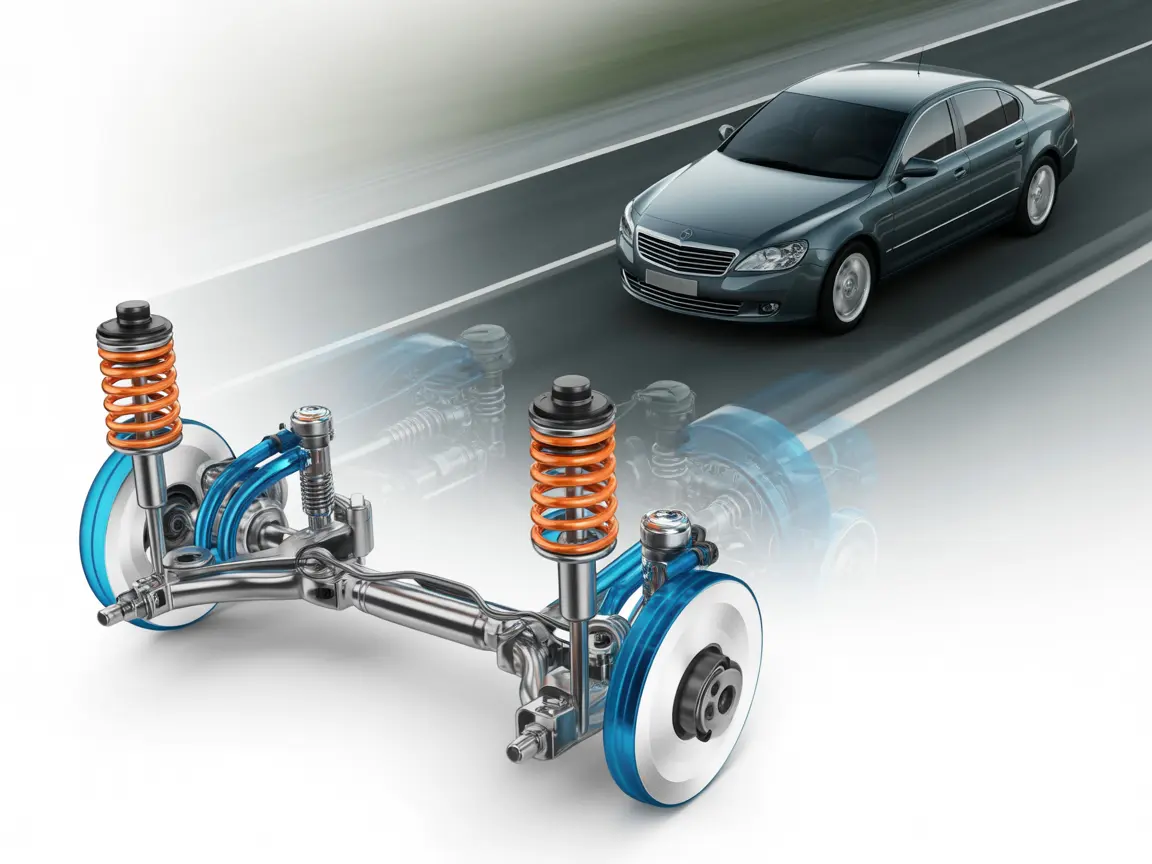
Know Your Car Suspension
A car suspension system is a system that comprises various parts:
- Shock absorbers and struts: Minimize bump impacts and also stabilize tires in contact with road surfaces.
- Springs: Aid in carrying weights on vehicles and provide shock absorption.
- Control arms and bushings: Align wheels and stabilize vehicles.
- Stabilizer bars: Prevent body roll during turns.
All these parts work together to ensure safety, comfort, and handling. The lifespan of each component varies, which affects the overall durability of the suspension system.
Average Lifespan of Car Suspension
Usually, a vehicle’s suspension would last around 50,000 to 100,000 miles. The variation in that range can be accounted for by various factors:
1. Driving Conditions
- Smooth highways care for suspension parts.
- Rough roads, potholes, and on-road experiences add up to premature wear.
2. Type of Vehicle
- SUVs and trucks often suffer the most stress due to their heavier weight.
- Because of the stiffened suspension, sports cars last much less in heavily urban driving conditions.
3. Maintenance Practices
- Regular inspections and timely replacement of worn parts can add some years to the lifetime of your vehicle’s suspension.
- Neglecting maintenance, such as ignoring worn shocks or misaligned wheels, decreases lifespan.
4. Quality of Component
- OEM (Original equipment manufacturer) parts will usually last longer than those in substandard aftermarket copies.
Expert Insight:
- Certified mechanics will generally give a life expectancy for shocks and struts of up to 50,000 to 75,000 miles.
- Springs and bushings may survive from 80,000 to 100,000 miles depending on usage.
- Regular services can prevent enthusiasts from experiencing abrupt failure and costly repairs in the suspension system.
Signs Needed to be Paid Attention to Suspension
Even if your car hasn’t reached the typical life expectancy threshold, some signs would indicate that your suspension probably needs advice:
- Bumpy or uncomfortable ride.
- Uneven tire wear.
- Pulling to one side while braking.
- Excessive bouncing or swaying.
- Fluid leaks from shock absorbers.
Such signs will lead to unsafe conditions while driving and poorer fuel efficiency, besides other components getting damaged.
Tips to Prolong Suspension Lifespan
Taking care of car parts is very simple; here are a few utterly practical tips:
- Drive carefully on rough surfaces: potholes and obstacles should be avoided wherever possible.
- Maintain the appropriate tire pressure: Correctly inflated tires should be used to take the pressure off shocks and struts.
- Rotate your tires regularly: This will help distribute wear evenly and prolong suspension life.
- Inspect some suspension components from time to time: Check shocks, struts, and bushes for leaks, cracks, or wear.
- Replacing worn parts quickly: Early replacement would prevent more damage and keep your car safe.
Pro Tip: If you hear any unusual sounds or feel any vibrations, consult a professional mechanic immediately. It is easy to prevent small problems from costing hundreds of dollars in repairs.
Conclusion
Much like a car engine, how long a car suspension will last is said to be anywhere between 50,000 and 100,000 miles. A lot of real-world conditions, type of vehicle, driving habits, and maintenance practices do play an important role in the longevity of any vehicle.
From my own experience, even a car that seems fine on daily routes can show subtle issues during longer drives. A slight vibration once pushed me to look deeper into my vehicle’s setup, and that’s when I understood how every part works together, including how many shock absorbers a car has. That small realization helped me appreciate the value of timely inspections.