If you own a Mercedes-Benz with air suspension, you already know how smooth and luxurious the ride can feel. I’ve personally driven several Mercedes models equipped with AIRMATIC suspension, and while the comfort is unmatched, And in Dubai, I’ve also experienced a few issues over time that eventually led me to explore reliable Suspension repair services in Dubai to restore the ride quality and long-term performance.
In this guide, I’ll share my real-world experience, technical insights, and practical solutions to common Mercedes air suspension problems and how to fix them, so you know what to expect and how to respond.
Understanding Mercedes Air Suspension Systems
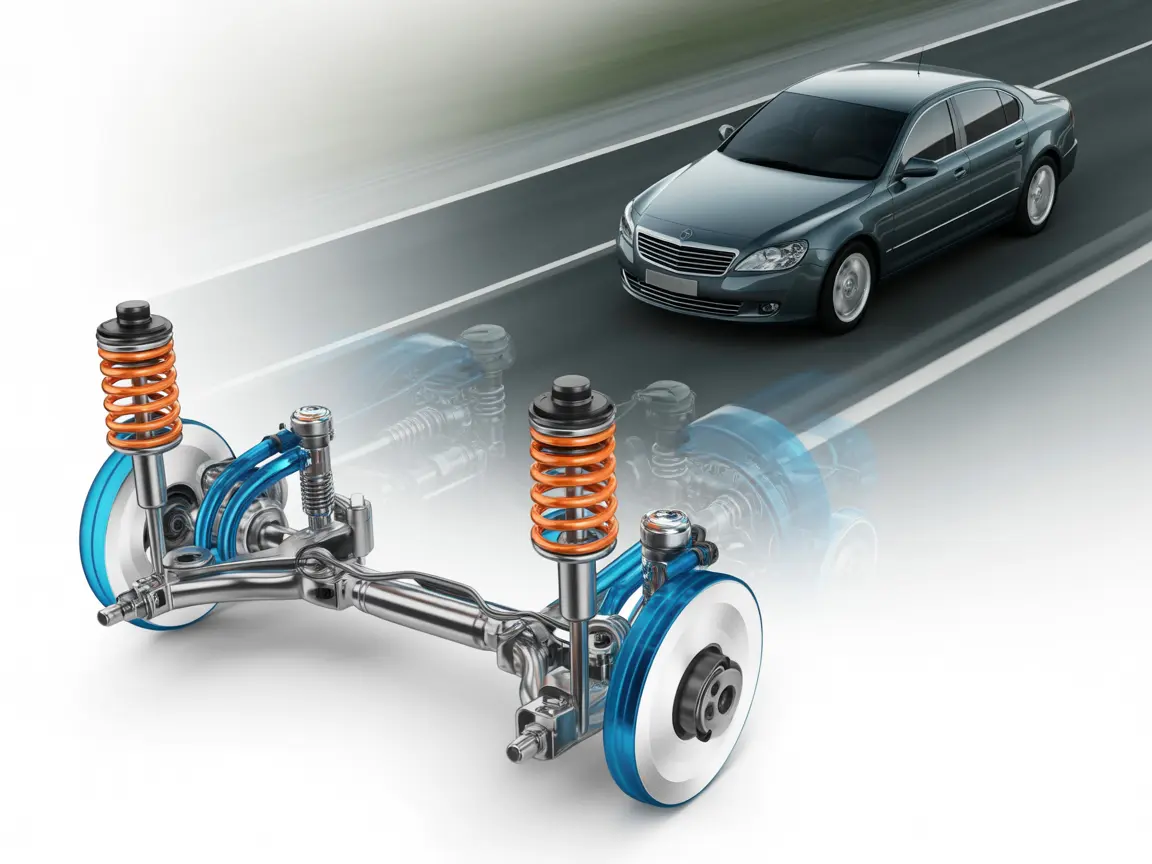
Mercedes’ air suspension, often referred to as AIRMATIC suspension, utilizes air-filled struts instead of traditional springs. These air struts automatically adjust ride height for comfort, handling, and load balance.
When I started noticing changes in ride height and comfort in my own Mercedes, I realized how important reliable Mercedes Suspension Repair Services in Dubai are for restoring the smooth, controlled drive the brand is known for.
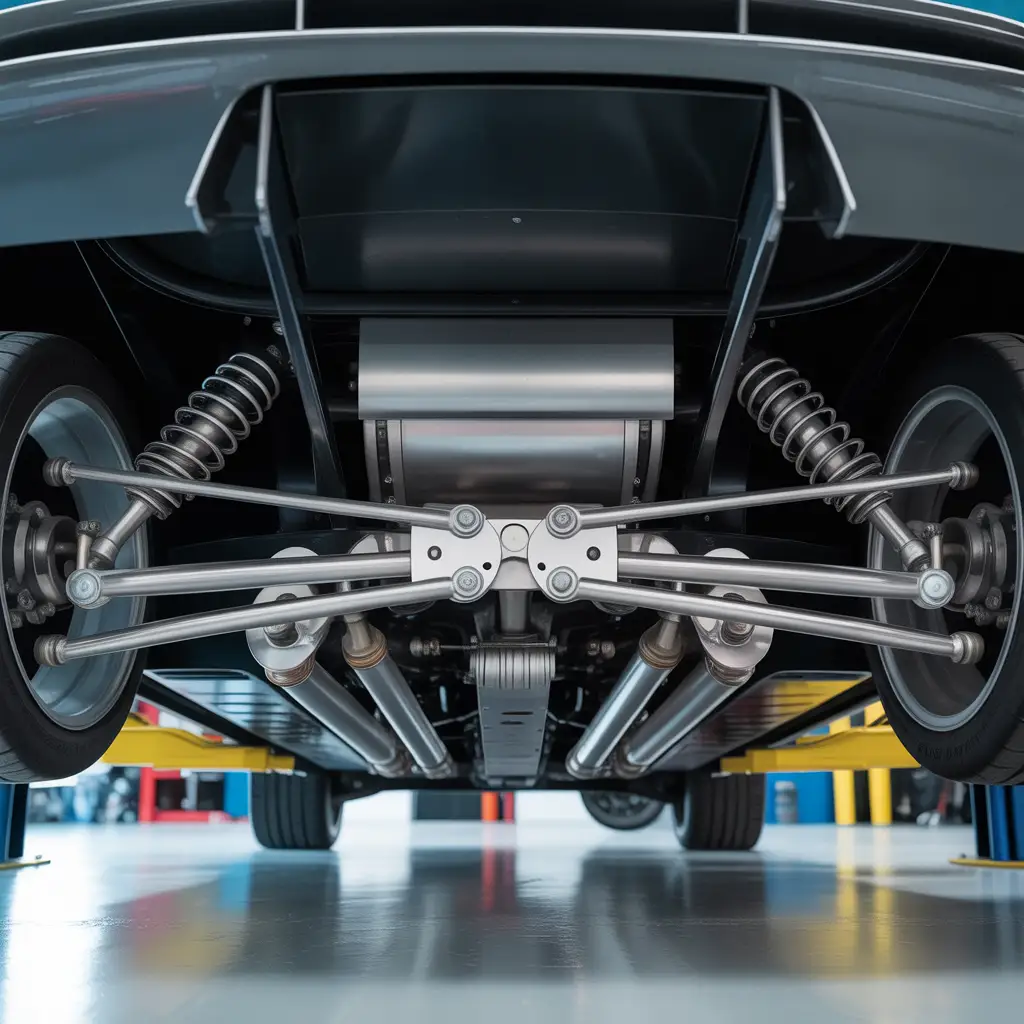
Key components include:
- Air struts and air springs.
- Air compressor.
- Valve block.
- Height sensors.
- Air suspension control module.
Knowing these parts helps you understand where problems usually start.
Most Common Mercedes Air Suspension Problems
Air Suspension Warning Light
One of the first signs I noticed was the air suspension warning light on the dashboard. This typically indicates that the system has detected an error.
Common causes include:
- Faulty height sensors.
- Air leaks.
- Compressor strain.
Vehicle Sagging or Uneven Ride Height
If your Mercedes sits lower on one side or sags overnight, it’s a classic symptom of air leaks.
In my case, the car would look fine during the day but sink overnight. This often points to:
- Leaking air struts.
- Worn air lines.
- Faulty valve block.
Loud or Constant Compressor Noise
A healthy compressor runs quietly. When mine started running frequently, it was a clear sign that something was wrong.
This usually happens when:
- There’s an air leak forcing the compressor to overwork.
- The compressor is nearing failure.
Harsh or Bumpy Ride
If the ride feels stiff instead of smooth, the air suspension may not be adjusting properly. This could be due to:
How to Fix Mercedes Air Suspension Issues
Inspect and Repair Air Leaks
The first step I recommend is a professional leak test.
Actionable tip:
Use a soap-water test on air struts and lines to spot bubbles if you’re diagnosing at home.
Replace Faulty Air Struts
Air struts don’t last forever. Based on my experience, they typically fail after 80,000 to 120,000 km.
Replacing worn struts:
- Restores ride comfort.
- Prevents compressor damage.
Repair or Replace the Air Compressor
If the compressor runs constantly, it’s often already under stress.
Expert advice:
Fix leaks first. Installing a new compressor without addressing leaks will lead to repeated failure.
Reset and Calibrate the System
After repairs, proper calibration is essential. Mercedes’ air suspension relies heavily on software.
A certified diagnostic scan ensures:
- Correct ride height.
- Balanced suspension response.
Preventive Maintenance Tips from Experience
Over the years, I’ve learned that prevention saves money.
My trusted tips:
- Avoid driving with suspension warnings.
- Don’t ignore slight sagging.
- Service the system before long trips.
- Use original or high-quality aftermarket parts.
Regular inspections can significantly extend the life of your Mercedes air suspension system.
Final Thoughts
From personal experience, common Mercedes air suspension problems and how to fix them come down to early diagnosis and quality repairs. While the system is complex, it’s also incredibly rewarding when maintained correctly, allowing drivers to fully experience the advantages of car air suspension in everyday comfort and handling. Trust experienced technicians, address small issues early, and your Mercedes will continue delivering the comfort it’s known for.