Air suspension systems first appeared in the 1950s, primarily introduced by American automakers like Cadillac and Buick as a luxury innovation.
Initially adopted to enhance ride comfort and adjust vehicle height dynamically, car air suspension was a niche feature for decades. However, it has become popular in modern luxury cars, commercial trucks, SUVs, and electric vehicles.
Brands like Mercedes-Benz (AIRMATIC), Audi (Adaptive Air Suspension), Range Rover, Tesla, and BMW regularly incorporate advanced car air suspension systems in their premium and performance lineups, emphasizing its evolution from a luxury perk to a core performance-enhancing feature.
What is air suspension, and how does it work?
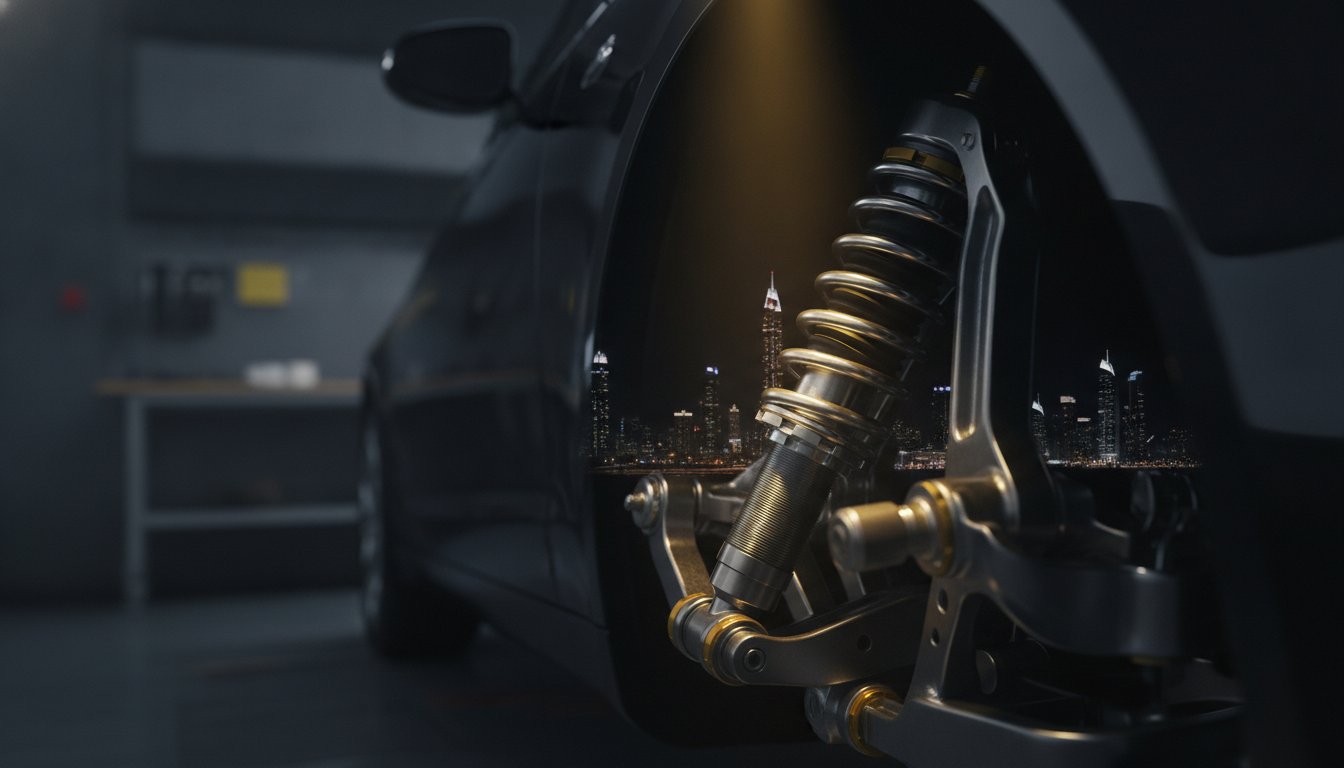
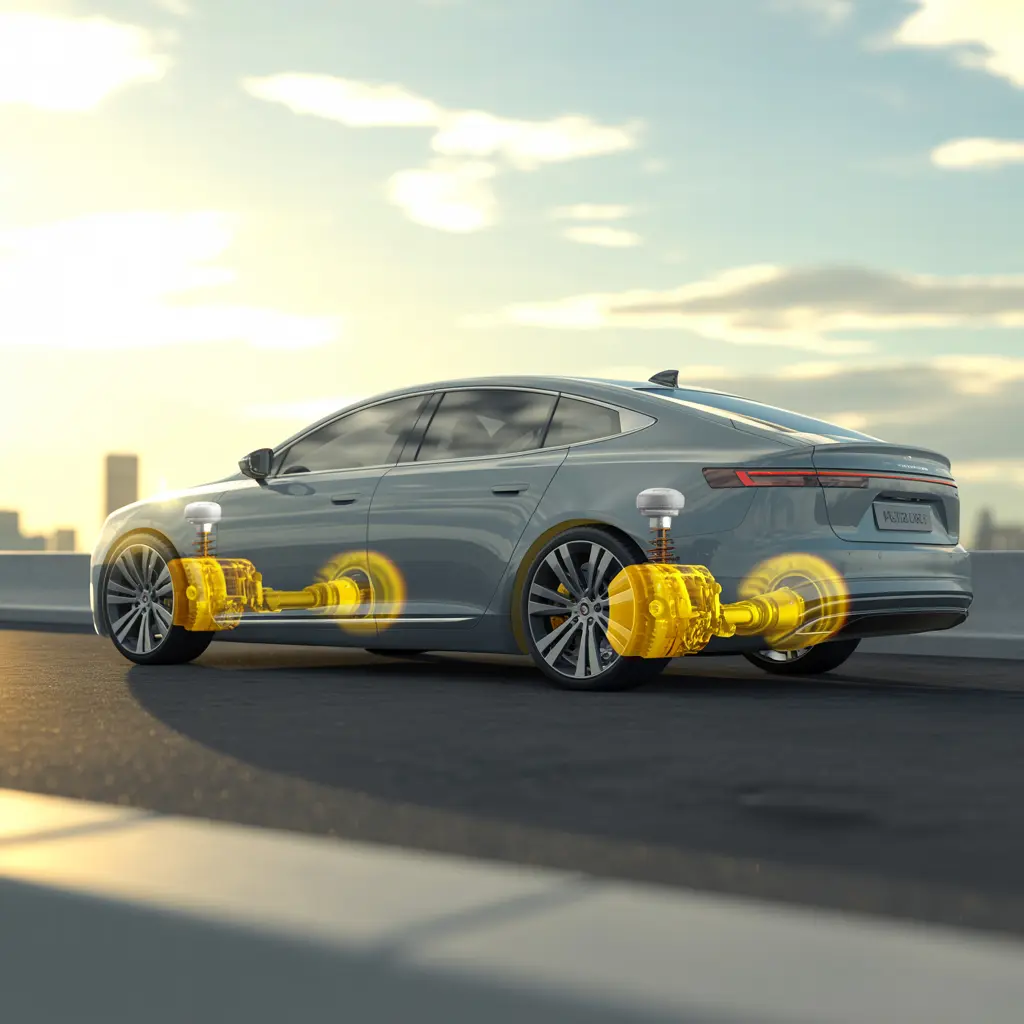
Air suspension replaces traditional steel coil springs with air-filled rubber bellows or airbags. These bags are inflated using an onboard compressor and are electronically controlled to maintain desired ride height and comfort levels.
The core purpose of air suspension is to provide a smoother ride, accommodate various road conditions, and adjust vehicle height automatically or manually for improved ground clearance or performance handling.
What sets air suspension apart from regular suspension systems is its adaptability.
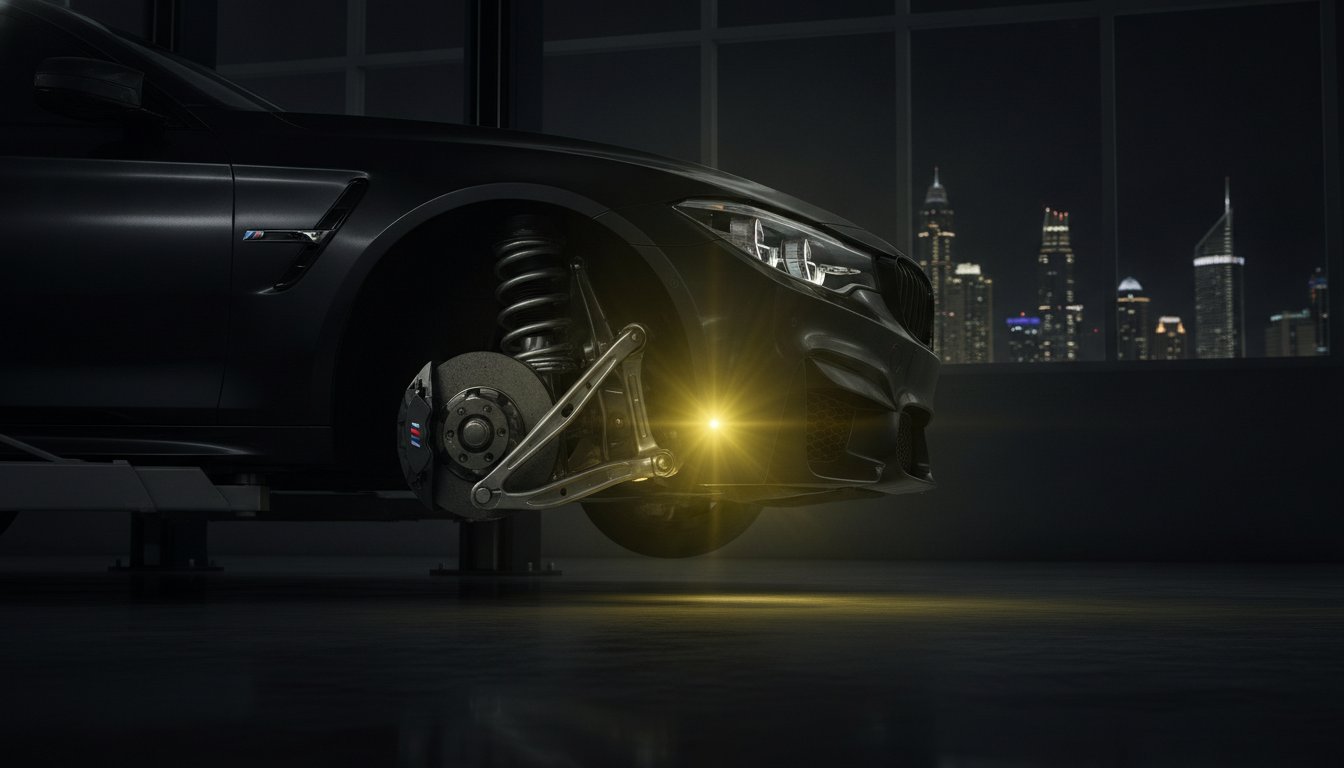
Traditional coil or leaf spring suspensions have fixed damping and height characteristics, whereas air suspensions can dynamically adjust stiffness, height, and response based on road input or driver preference. The system works with sensors, compressors, and valves to inflate or deflate airbags as needed, ensuring optimal balance and ride quality.
Types of Air Suspension Systems and Their Components
1. Electronically Controlled Air Suspension (ECAS)
This is the most advanced form of air suspension, commonly found in luxury and high-performance vehicles. ECAS uses sensors, ECU (electronic control unit), and actuators to continuously monitor and adjust the air pressure in real time. The system adapts to driving conditions, load distribution, and even steering input, offering a highly refined ride.
2. Manual Air Suspension
Typically found in custom or aftermarket applications, this system allows drivers to manually control the height and stiffness of the suspension via switches or remote control. While it lacks the automation of ECAS, it offers more control for enthusiasts looking to fine-tune their ride.
3. Semi-Active Air Suspension
This is a hybrid system combining both mechanical spring and air suspension characteristics. It offers limited self-adjustment features and is mostly used in mid-range SUVs and utility vehicles to balance comfort and load-carrying capability.
Key Components:
- Air Springs (Bellows): Replace traditional coil springs and hold pressurized air.
- Air Compressor: Pressurizes air and delivers it to the bellows.
- Air Reservoir: Stores compressed air for on-demand usage.
- Height Sensors: Measure the vehicle’s ride height and send data to the control unit.
- Control Module/ECU: Processes sensor inputs and controls the compressor and valves.
- Solenoid Valves: Regulate airflow to each air spring individually.
Advantages of Air Suspension Systems
The air suspension system is a key part of every car brand in the modern era and offers countless advantages that make the driving experience so much better.
1. Superior Ride Comfort
Air suspension systems are designed to absorb road imperfections far better than coil springs. The pressurized air inside the bellows acts like cushions, smoothing out potholes and bumps. This is especially noticeable on long drives or rough terrain, where traditional suspension systems might cause fatigue or discomfort. Passengers enjoy a plush, almost “gliding” ride experience.
2. Adjustable Ride Height
One of the standout features is the ability to raise or lower the vehicle. The car can be lifted for off-road driving or rough roads to avoid undercarriage damage. The system can lower the ride height on highways to improve aerodynamics and fuel efficiency. This dynamic adjustability enhances both utility and performance.
3. Improved Load Handling
Vehicles equipped with air suspension can maintain a level ride even when carrying heavy loads. The system adjusts the air pressure to counteract sagging and prevent bottoming out. This is particularly useful in commercial vehicles and SUVs, where cargo weight can vary.
4. Better Handling and Stability
Modern air suspensions automatically adapt to cornering, braking, and acceleration forces. The system minimizes body roll and improves handling precision by stiffening the suspension during sharp turns or high-speed driving. This results in a safer and more controlled driving experience.
5. Customizability and Aesthetic Appeal
For car enthusiasts, air suspension offers the option to “stance” the car by lowering it for show or adjusting height for a sportier profile. Custom setups allow for fine-tuning based on personal preferences, adding a visual and performance edge.
6. Reduced Wear on Tires and Suspension Components
Because the system maintains optimal alignment and height, it distributes weight more evenly. This can reduce uneven tire wear and lower stress on other suspension parts, potentially extending the lifespan of various components.
Disadvantages of Air Suspension Systems
1. High Cost of Installation and Repair
Air suspension systems are complex and require expensive components. Whether factory-installed or aftermarket, they significantly raise the cost of the vehicle. Repairs often involve specialized diagnostics and parts, making them pricier than traditional suspension fixes.
2. Prone to Air Leaks
Over time, the rubber air bellows and fittings may develop leaks. A minor leak can affect performance, reduce height, or completely deflate the suspension. Finding and repairing such leaks can be time-consuming and costly.
3. Compressor Failure
The air compressor works frequently to maintain pressure in the system, and it is prone to overheating or failure if overused or improperly maintained. Once the compressor fails, the suspension will stop working correctly, often leaving the vehicle immobile or riding uncomfortably low.
4. Electronics Vulnerability
As with all electronically controlled systems, air suspension is vulnerable to sensor malfunctions or ECU errors. Moisture, dust, or corrosion can disrupt signals or damage sensitive parts, leading to unpredictable ride height adjustments or warning lights.
5. Cold Weather Issues
In extremely cold climates, moisture can freeze inside airlines or valves, leading to stiff or unresponsive suspension. This is especially problematic for older or poorly maintained systems that lack advanced moisture protection mechanisms.
Maintenance Requirements and Damage Susceptibility
Air suspension systems demand more meticulous care than traditional setups. Regular inspections of the air springs, compressor, and valves are necessary to prevent leaks or mechanical failures.
They are more susceptible to wear and tear due to their dependence on rubber components, which can degrade over time. Additionally, they are vulnerable to damage from road debris, water ingress, or exposure to corrosive road salts.
Unlike coil springs, where failures are rare and gradual, air suspension issues can appear suddenly and dramatically impact drivability.
Tips and Hacks to Maximize Air Suspension Performance
To get the most out of your air suspension system, always keep the system clean and dry, especially the compressor and air lines. Avoid overloading your vehicle beyond its rated capacity, which stresses the air springs.
Use the “lift” feature cautiously on uneven or rugged terrain to avoid unnecessary strain. Regularly check for slow leaks or drops in ride height after parking. Also, the system should be recalibrated after any suspension repair to ensure it operates within manufacturer specifications.
Lastly, manufacturer-approved lubricants and filters for the compressor system are used to enhance longevity.
Conclusion
Air suspension has come a long way since its early adoption in luxury vehicles. Today, it is a game-changing technology that enhances ride comfort, adaptability, and vehicle performance.
But it’s not without challenges, especially regarding maintenance and repair costs. Understanding its functionality, pros and cons, and proper care techniques can help you decide whether it’s right for your vehicle.
Whether after superior comfort or high-end customizability, air suspension offers something unique for discerning drivers.
Looking for expert air suspension maintenance or repair?
Trust the professionals at Suspension Repair. Our certified technicians specialize in diagnosing and fixing all types of air suspension issues. Get your ride back to smooth and stable.
Book your appointment today for comprehensive suspension repair services in Dubai!