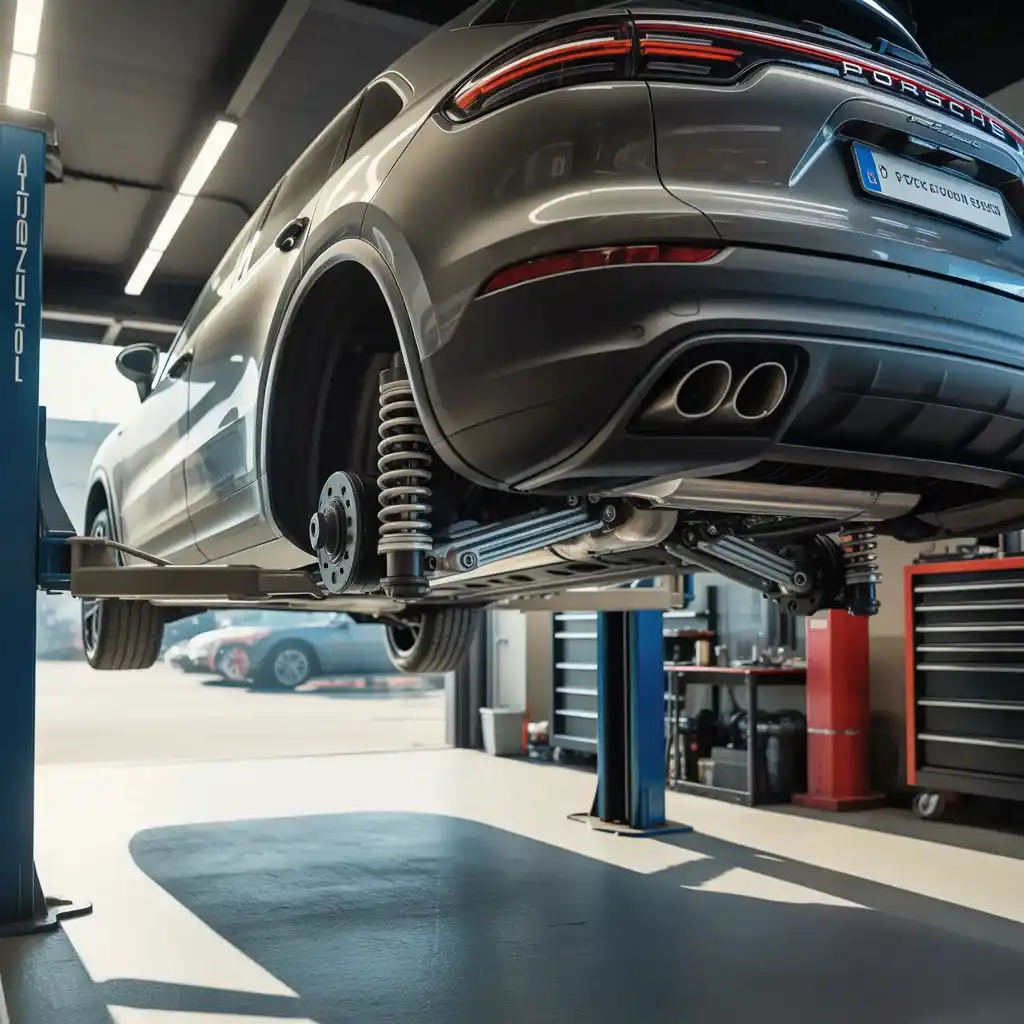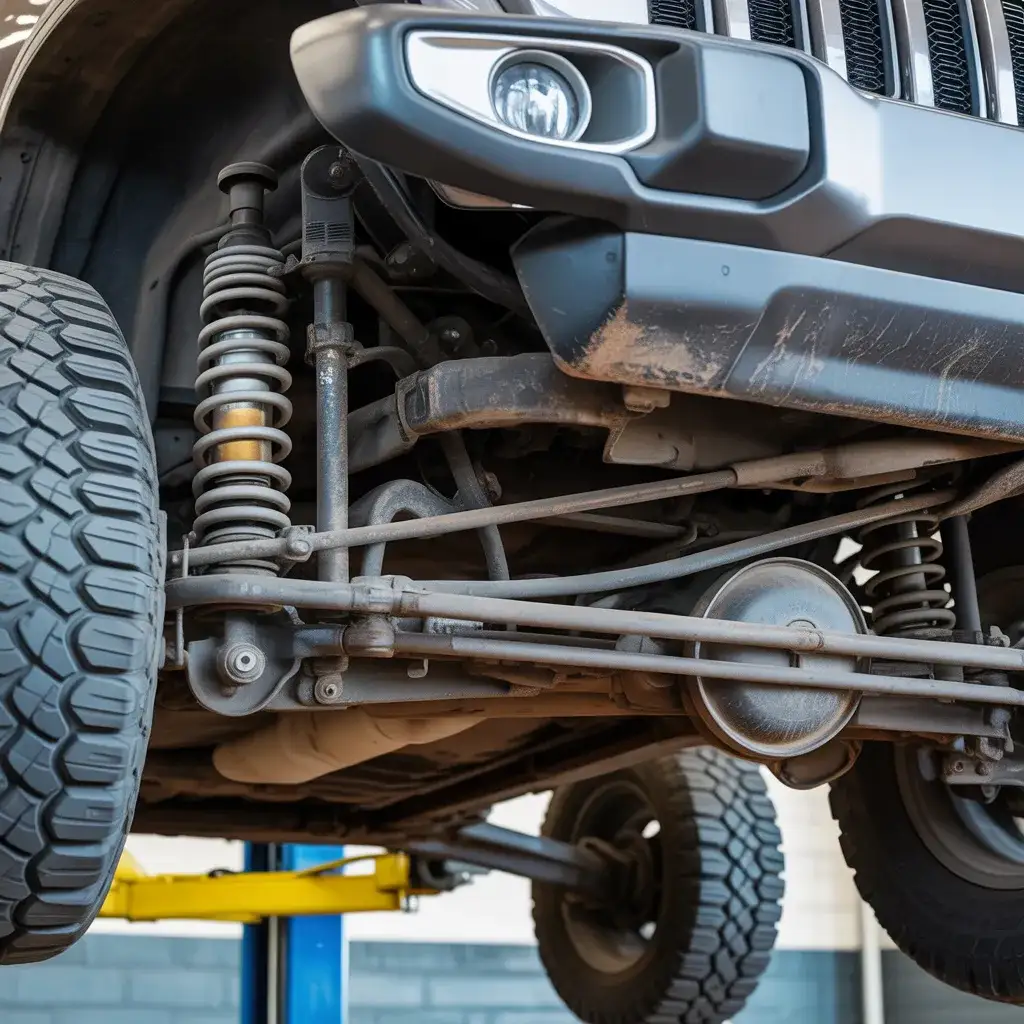
Air suspension is mainly found in luxury and premium vehicles such as the Mercedes-Benz S-Class, Range Rover, BMW i7, and many Rolls-Royce models. Some mid-range cars, such as the Audi Q5 and Volvo XC90, offer it as an optional feature.
It works by replacing traditional metal springs with air-filled rubber bags. A compressor pumps air into these bags to adjust ride height and stiffness, giving a smoother ride and better control over different road conditions. If the system develops a fault, professional suspension repair in Dubai can help restore proper height adjustment and driving comfort.
Air suspension was once reserved for ultra-luxury vehicles. Today, it is becoming more common across premium and performance models. But which cars have air suspension, and how does it actually improve your driving experience?
How Does Air Suspension Work?
Air suspension replaces traditional metal coil springs with air-filled rubber bags (air springs).
Key Components:
- Air springs (airbags)
- Compressor
- Air tank
- Height sensors
- Electronic control unit (ECU)
When you hit a bump:
- The air inside the bag compresses.
- Sensors detect body movement.
- The system adjusts pressure instantly.
- The car stays level and comfortable.
Unlike standard systems, air suspension can:
- Raise or lower ride height
- Adjust stiffness
- Improve stability at high speeds
Modern systems also work alongside components like the car suspension arm to maintain alignment and control.
Which Cars Have Air Suspension?
Air suspension is common in luxury and premium vehicles.
Popular Models with Standard Air Suspension:
- Mercedes-Benz S-Class
- Range Rover
- BMW i7
- Rolls-Royce models
Models Offering It as an Option:
- Mercedes-Benz E-Class
- Volvo XC90
- Audi Q5
Some estate cars use rear-only air suspension for load leveling, similar to the advanced height-adjustment systems often seen in Range Rover suspension in Dubai, where maintaining proper ride height is especially important for comfort and performance.
Advantages of Air Suspension
Air suspension is popular for good reason.
1. Superior Comfort
It absorbs road imperfections better than coil springs. Ideal for rough roads.
2. Adjustable Ride Height
- Raise for off-road use.
- Lower for highway efficiency.
- Easier entry and exit.
3. Improved Handling
Modern systems reduce body roll. Some prevent the “car jumping suspension” feeling on uneven surfaces.
4. Self-Leveling
The car remains stable even with heavy passengers or luggage.
Disadvantages and Common Issues
Air suspension is not perfect.
1. Higher Cost
Repairing a failed air strut is expensive compared to standard springs.
2. Complex Electronics
More sensors mean more potential failure points.
3. Long-Term Wear
Rubber airbags can crack over time.
Common car suspension issues include:
- Uneven ride height
- Compressor running constantly
- Warning lights
- Rough ride
If you notice these signs, immediate car suspension diagnosis is recommended.
Final Thoughts
So, which cars have air suspension, and how does it work? It works by using compressed air instead of metal springs to create a smoother, more adaptable ride. You’ll mostly find it in luxury vehicles like the Mercedes-Benz S-Class and Range Rover, with optional availability in several premium SUVs and sedans.
Its ability to balance comfort and control demonstrates the core air suspension advantages, although ownership costs can be higher. With regular maintenance, it remains smooth and reliable for years.
Professional Suspension Repair in Dubai
Air suspension systems are advanced, but they require expert care. If your vehicle shows warning signs such as uneven ride height, constant compressor noise, or dashboard suspension alerts, it’s important to seek professional suspension repair in Dubai from technicians who understand modern air systems.
Frequently Asked Questions
Q: Can air suspension be converted to traditional coil springs?
Air suspension can be converted, but it changes ride quality and may affect vehicle value and handling.
Q: Does air suspension impact fuel efficiency?
It can slightly improve efficiency at highway speeds by lowering ride height and reducing drag.
Q: Are air suspension systems covered under standard warranties?
Most manufacturers cover them under warranty, but wear-and-tear components may be excluded.